Skip to content
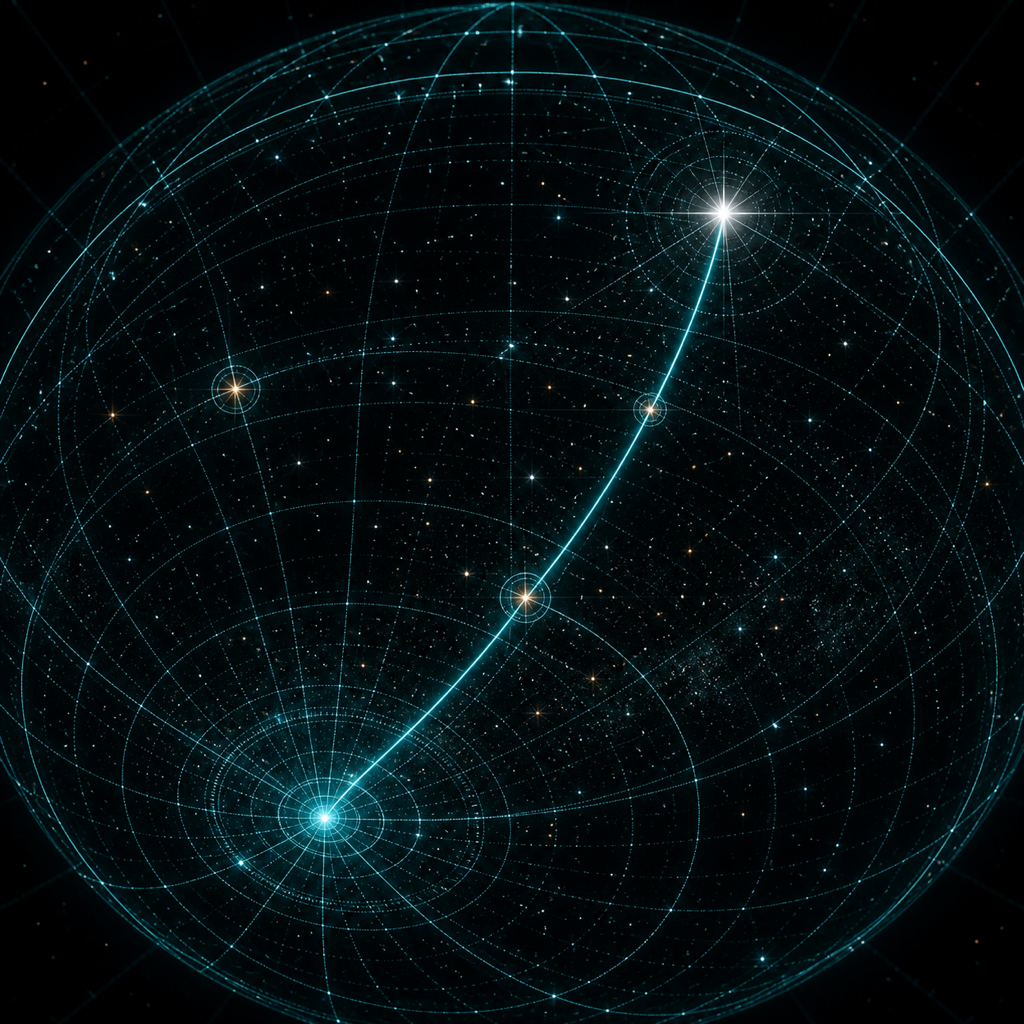
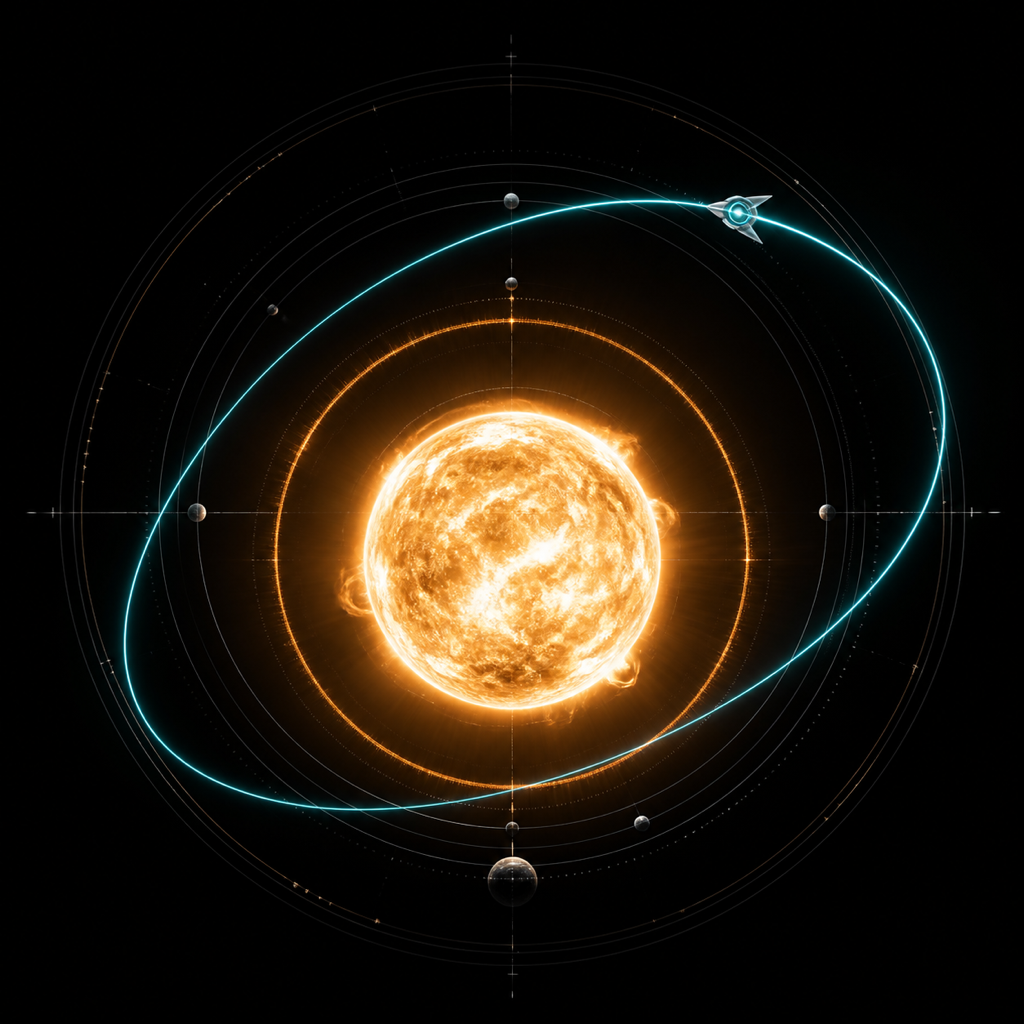
Sol Atlas rendering a spacecraft route through the Solar System
Ukiyo-e presenting a reviewed Japanese woodblock print

Independent digital publisher · Established 2014

CannedRocket

Evidence, made explorable.

We publish deeply researched interactive atlases and visual field guides across science, history, nature and art.

Orbital mechanicsMaterial culturePrimary sourcesNative interaction
AstronomyPublishing
Art & material culturePublishing
NatureResearch desk
Military historyResearch desk

Our publishing premise

A subject becomes memorable when you can examine it, test it and move through it.

CannedRocket combines editorial research, source-aware datasets and native interaction. We do not hide uncertainty behind spectacle, and we do not mistake a large catalogue for an explanation. Each publication is designed around the decisions that make its subject intelligible.

Current publications

Two subjects. One editorial standard.

View the complete catalogue

Astronomy / Mission design

Sol Atlas

Orbit Planner

Choose among 369 Solar System bodies, build an ordered multi-waypoint route, inspect why it passes or fails, then fly the selected trajectory in controllable 3D.

  • Source-aware route products and explicit approximation boundaries
  • Lambert topology, encounter geometry, B-plane context and uncertainty
  • Archive-derived spacecraft replay, clearly separated from live telemetry
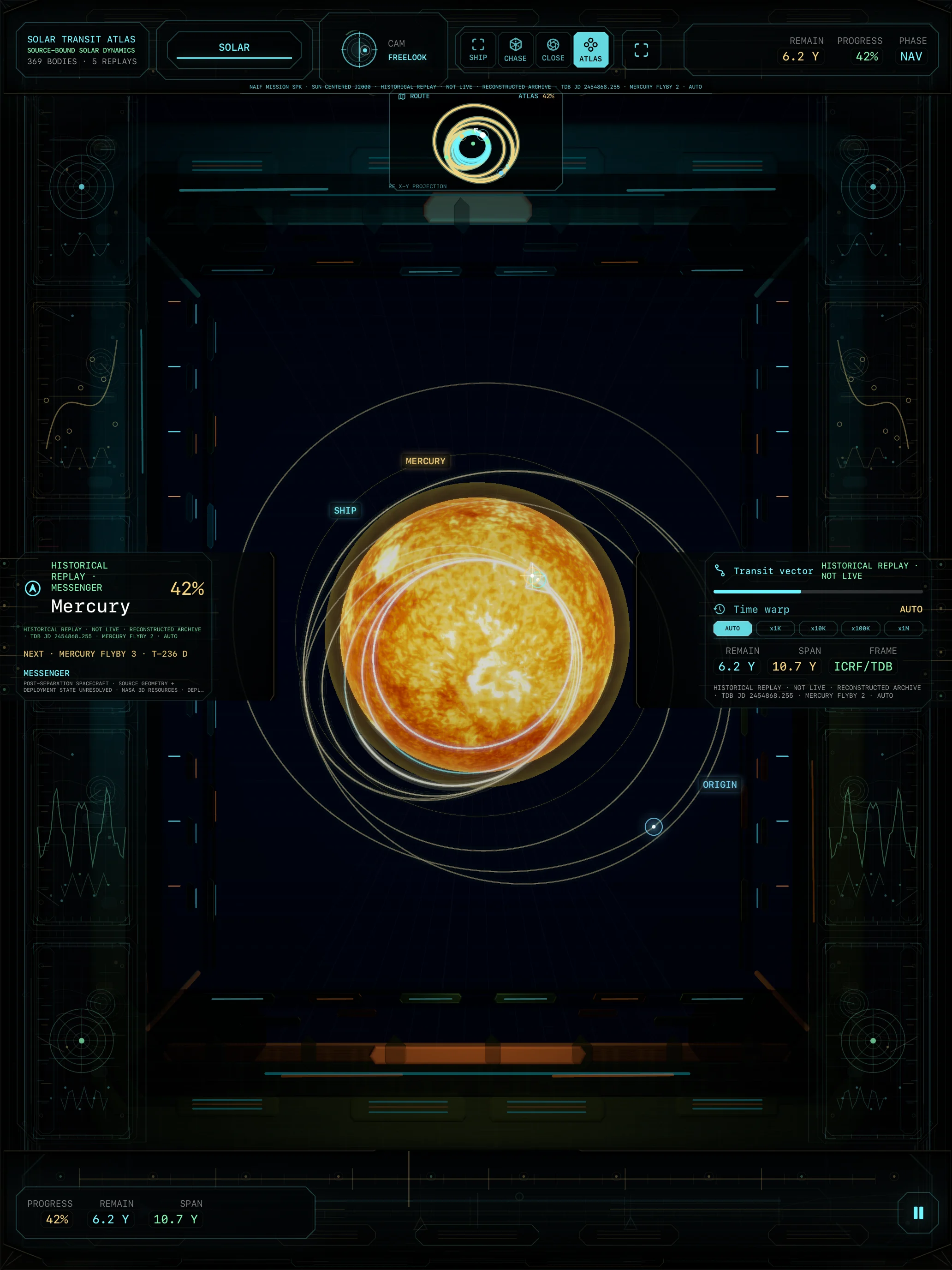
Sol Atlas application interface
Published interface, captured from the release product.

Art / Material culture

Ukiyo-e

Art, History & Printmaking

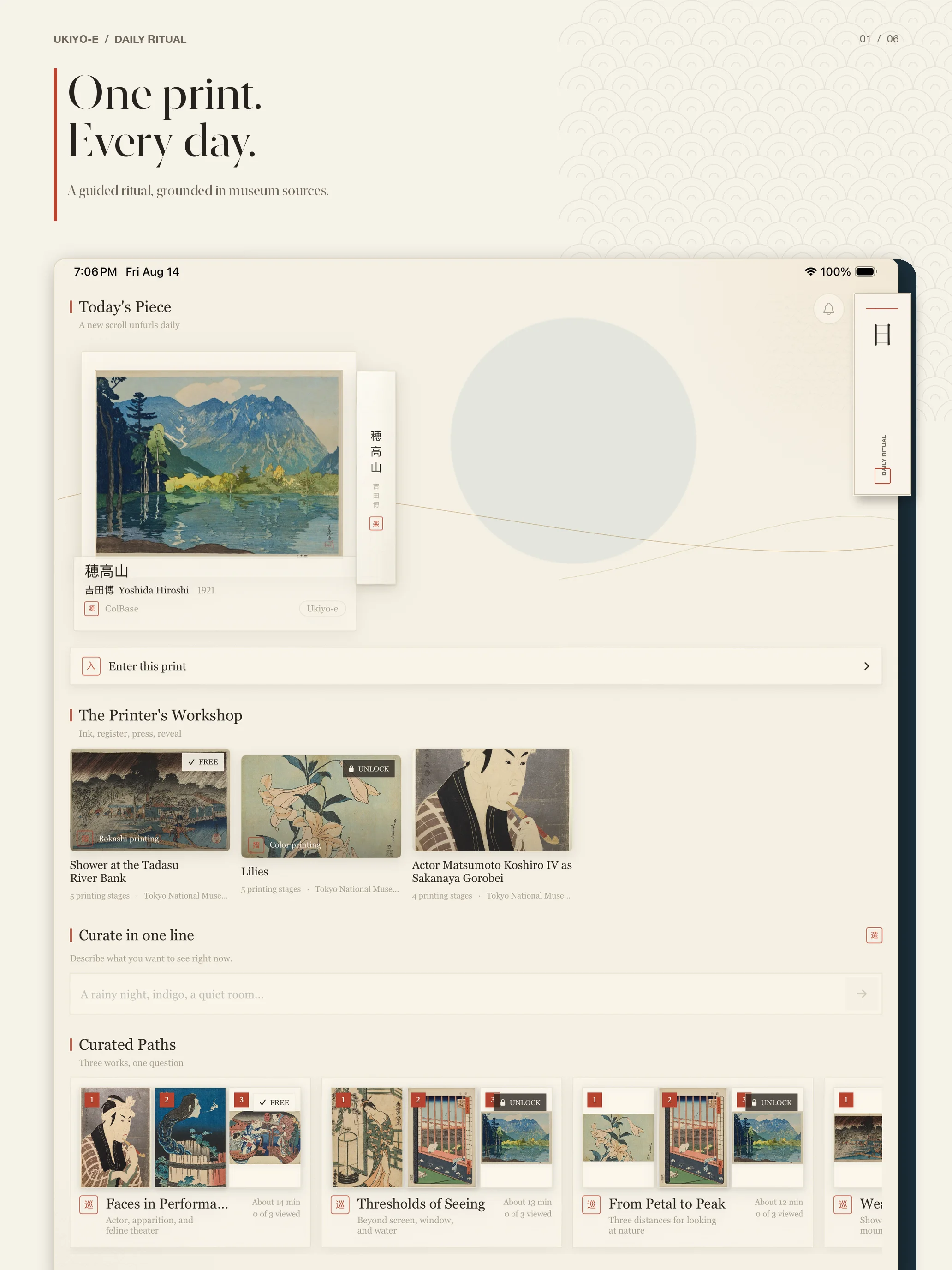
A quiet interactive museum for Japanese woodblock prints, with a daily reviewed work, source-linked discovery, guided looking and a work-specific Printer's Workshop.

  • More than 140,000 source-linked catalogue records
  • Twenty reviewed Ukiyo Lens works and nine curated journeys at launch
  • Three artwork-specific printing reconstructions, never a generic filter
Ukiyo-e application interface
Published interface, captured from the release product.

Field notes

Read the thinking behind the interface.

All field notes
Orbital mechanics8 min

An orbit is a negotiation, not a line

Why departure time, transfer family, planetary motion, close approach and uncertainty all shape a route before a spacecraft ever flies it.

Read note
Printmaking7 min

How to read a woodblock print as a sequence

The finished sheet hides a collaboration among publisher, designer, carver and printer, plus a careful chain of blocks, registration and pressure.

Read note
Scientific visualization6 min

Scale is an editorial decision

A truthful map can still distort size, distance or time. The important question is which distortion is declared, controlled and useful.

Read note

Editorial method

Trust is a product feature.

Source

Keep the chain visible.

Records retain available institution, archive, licence and provenance context. A source is evidence, not an endorsement.

Model

Name the approximation.

Simulations disclose coverage, uncertainty and model boundaries instead of presenting every calculated value as equally certain.

Experience

Make interaction meaningful.

Gestures should expose the structure of the subject: a trajectory, a printing stage, a comparison or a change of scale.

The editorial desk

Publishing now, researching next.

Publishing

Astronomy

Orbital mechanics, planetary science and the history of exploration.

Publishing

Art & material culture

Objects, making processes, provenance and close looking.

Research desk

Nature

Field identification, ecology and the evidence held in collections.

Research desk

Military history

Technology, logistics, geography and primary-source reconstruction.